The moment you ask a money director just how much the company invests in PPE, you generally obtain a straightforward solution. The moment you ask how much value that PPE returns, the room obtains quieter. Gloves, masks, gowns, and shatterproof glass exist to stop injuries, contamination, and waste, but their return turns up in prevented events, lower disposal prices, and smoother operations. You feel it in less disruptions and cleaner audits, not simply in purchase line items.
An ROI calculator for PPE transforms those unclear benefits right into sensible numbers. Not a theoretical spread sheet, but a tool grounded in just how each department makes use of PPE, exactly how frequently it obtains replaced or cleansed, and what truly occurs when things go wrong. The work is part audit exercise, component procedure mapping. When done well, it produces a living version the security team, operations leaders, sustainability, and finance all trust.
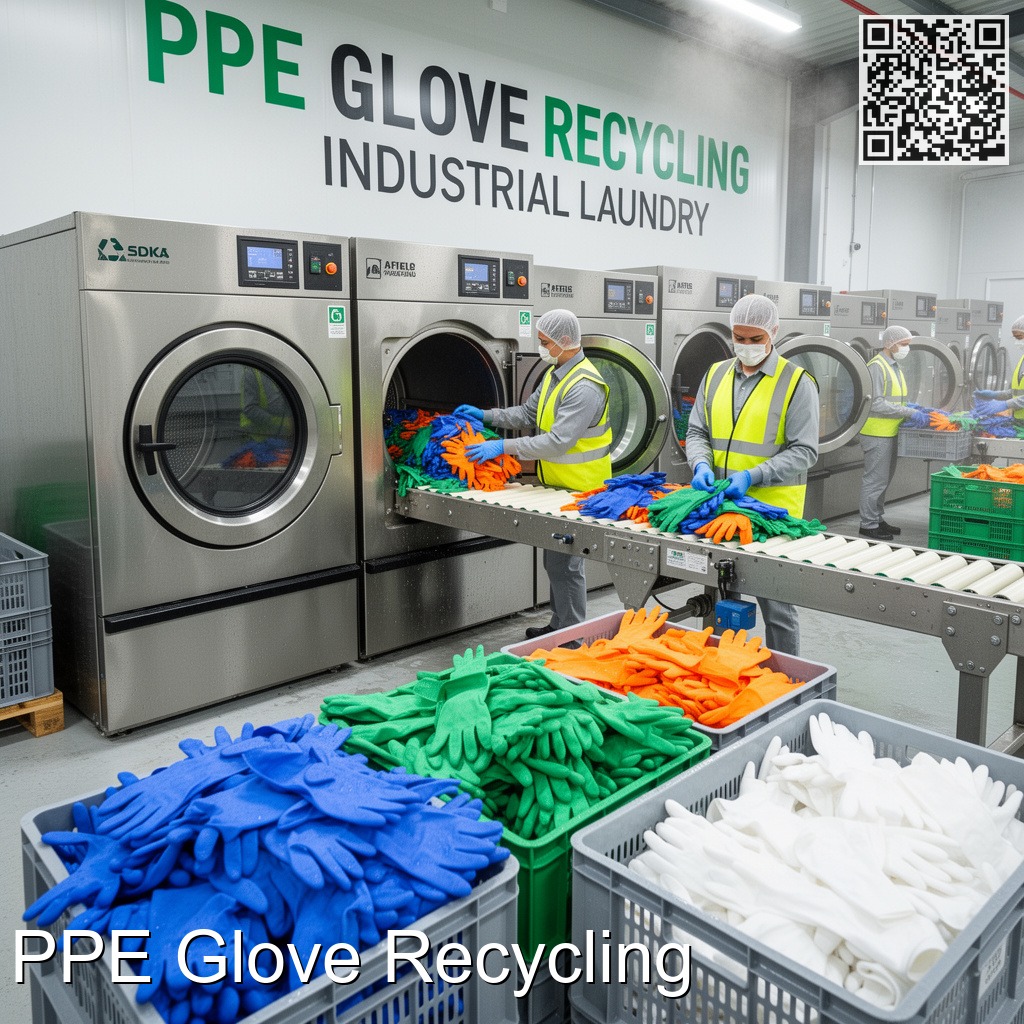
Below, I'll go through how to build and turn out a PPE ROI calculator that captures price, risk, and impact across departments, with genuine instances https://brookstjsr313.trexgame.net/stopping-cross-contamination-through-proper-ppe-gloves-recycling from centers that deal with high glove quantities. I'll utilize PPE Gloves as a reoccuring example because they are high speed and stuffed with concealed prices, and I'll cover nuances like handwear cover cleansing, cross-contamination prevention, and just how programs such as Libra PPE Recycling suit a round economic climate model. The objective is a calculator that supports choices: purchase different handwear covers, introduce PPE gloves recycling, customize training, or transform dealing with protocols in between labs and production rooms.
What counts as ROI for PPE
Treat PPE as a risk control and a materials flow, not simply a purchase. When we compute a return, we catch straight and indirect effects. Some are apparent: cost per glove, the number of handwear covers used, the price of disposal. Others sit in the cracks: the expense of an incident triggered by a torn handwear cover, downtime from an examination, quality losses from contamination, or the labor to deal with and store PPE. Environmental responsibility additionally factors in. If you redeem or recycle product and stay clear of garbage dump charges, regulatory authorities tend to grin and auditors ask less questions.
Think in 5 containers of value that a responsible model can quantify:

- Spend reduction from much better investing in or reuse: lower unit cost, fewer handwear cover adjustments per shift, or relocates to glove cleansing where validated and appropriate. Risk and incident avoidance: less recordables, less contamination occasions, fewer set holds. Even tiny decreases right here commonly dwarf procurement savings. Throughput defense: procedures that maintain hands relocating without rework. A handwear cover that lasts much longer might indicate less disruptions and greater yield. Waste and disposal cost savings: redirecting product from landfill to PPE gloves recycling programs lowers carrying, weight-based charges, and sometimes earns a credit. Reputation and conformity benefits: audit preparedness and sustainability coverage do disappoint up as money the day you apply, yet they reduce future rubbing and fines.
Your calculator needs to equate each container into numbers. That takes information, some estimates, and a willingness to document assumptions.
Build it department by department
PPE usage differs drastically in between departments. A cleanroom shifts glove adjustments on a taken care of tempo connected to gowning procedures. A machining cell burns through handwear covers much faster when oils or sharp edges are involved. A medical facility lab complies with different criteria completely. If you attempt to cram every person right into a single average, you wind up with a mushy model that no one trusts.
Instead, structure the calculator by division or work cell and roll up from there. For every location, capture:
- The main PPE kinds and specs. With handwear covers, that means material (nitrile, latex), thickness, cleanroom status, and any kind of antistatic or chemical resistance requirements. Usage tempo: gloves each per shift, or handwear covers each of output. Maintain it straightforward, yet specific. Disposal and managing policies: red bag waste, landfill, autoclave, or a reusing stream. Incidents linked to PPE failing or misuse: contamination, minor injuries, near misses out on, and their effect on time and product. Options for program changes: alternate handwear cover SKUs, validated glove cleaning loopholes, or registration in a recycler such as Libra PPE Recycling.
Once you map a couple of divisions, patterns arise. The very first time I ran this workout in a clinical tool center, we discovered that lab altered gloves 8 times per shift as a result of a practice from a prior SOP. A fast retraining cut modifications to 5, saving greater than $60,000 annually with absolutely no new threat, verified by swab tests. No expensive math, simply a clear image of reality.
The core formula most teams begin with
Every ROI tale begins with a baseline. You want a clean, year-long picture of present spend and efficiency, then contrast it to a suggested program. Beginning with the straight prices. For a glove program in a single department:
- Baseline straight price per year = (gloves made use of per year) x (cost per glove) + (disposal cost per glove or per pound) + (storage and handling labor) Proposed straight cost annually = same framework, yet with your alternative SKUs, cleaning up regimen, or reusing flows
Add the soft yet quantifiable costs:
- Incident price annually = count of appropriate occurrences x average price per occurrence. Consist of labor to check out, lost time, item holds, and material scrapped. If you do not have precise numbers, develop a range. A quality hold in a managed facility can easily run $3,000 to $15,000 when you tally people's time and delay impacts, also if no product is destroyed.
Finally, layer in stayed clear of disposal or credit ratings via a round economic climate model. Some PPE gloves recycling programs move product right into polymer recuperation or energy-from-waste, which might decrease your per-pound rate or yield a small rebate. Libra PPE Recycling, for example, normally supplies a structured pick-up and audit path. The worth here often exists as much in documents and conformity self-confidence as in pure dollars, however you can still place a number on it based upon your waste contract.
Your ROI for a department looks like:
- Net yearly advantage = (baseline complete price) - (proposed total price) Payback duration = (one-time configuration prices)/ (web yearly advantage) ROI portion = (internet yearly benefit - single expenses)/ (one-time prices) x 100
Keep the logic clean and transparent. If money or high quality can't follow your mathematics, they will not honor the changes.
Data you need, and exactly how to obtain it without burning a month
Perfect data slows jobs to a crawl. Go for qualified, traceable inputs that you can improve later on. A brief, regimented data pull normally defeats a vast audit.
- Procurement: last one year of glove purchases, by SKU and division where feasible. If division tags aren't available, price quote allocation based upon head count and function. Bring system cost and instance sizes. Operations: typical handwear cover changes per shift by role. Check on the flooring. Individuals frequently overestimate or underestimate in studies, so watch the work. Safety and top quality: incident logs connected to PPE failing or contamination threat. Also if a handwear cover wasn't the origin, note occasions where PPE contributed. Waste management: disposal invoices, per-pound rates, and any kind of additional charges for regulated or red bag waste. Note carrying frequency and container size. Environmental or sustainability: if you have a Scope 3 discharges variable for waste or a target for land fill diversion, catch it. It matters to the business case.
Set ranges where needed. For instance, if glove changes vary between 4 and seven per shift, run the model at five and seven to brace end results. Document assumptions in an easy notes field inside the calculator, not in a different memorandum that will certainly be lost.
A functioned example: 2 departments, two stories
Let's state you have a production cleanroom and a quality assurance lab. Both take in nitrile gloves heavily, but in different rhythms.
Cleanroom A:
- 40 service technicians daily, two changes, 5 days per week 6 glove adjustments per person per change, cleanroom-validated SKU at $0.19 per glove Red bag waste at $0.78 per extra pound, typical handwear cover weight 5 grams Minimal occurrences tied to glove failing, however rigorous audit requirements One-year alternative: sign up handwear covers into a recycler with service paperwork and chain-of-custody, with a step-by-step handling cost of $0.02 per glove, reducing red bag waste weight by 70 percent
Annual usage: 40 x 2 x 5 x 52 x 6 = 124,800 glove modifications, however each change includes two handwear covers, so 249,600 handwear covers. Baseline acquisition expense around $47,424. Disposal weight regarding 1,248 kg or 2,751 pound. Red bag disposal price approximately $2,146. Storage space and dealing with labor, approximate $3,000 each year. Standard total around $52,570.
Proposed with recycling solution: very same acquisition expense, add $4,992 in taking care of charges, reduced red bag cost by 70 percent to around $644. Add $1,000 in program setup and yearly conformity documents value that operations appreciates also if finance won't count it. New overall regarding $56,060. On dollars alone, you invest approximately $3,500 even more. Why do it? Because a confirmed chain-of-custody for cleanroom disposables can eliminate friction in vendor audits, and some facilities recover that cost in prevented modification controls and easier ecological reporting. If you connect a conventional $5,000 value to investigate readiness and decreased documents time, the net swings positive. Otherwise, the program still may proceed for Environmental obligation and company ESG targets.
Quality Control Laboratory B:
- 20 experts, one shift, 5 days per week 8 modifications each per change with a common nitrile handwear cover at $0.11 per glove Landfill disposal at $0.12 per extra pound, handwear cover weight 4 grams 6 contamination occasions in 2014 that called for rework and one example re-run per event, average cost $1,200 each Proposed modification: retrain on change points and change to a slightly thicker handwear cover at $0.13 that reduces splits. Target 6 changes per shift and a 50 percent decrease in contamination events.
Annual use standard: 20 x 1 x 5 x 52 x 8 x 2 = 83,200 handwear covers. Cost $9,152. Disposal weight regarding 333 kg or 734 pound, cost $88. Marginal dealing with labor, state $1,000. Incidents cost $7,200 per year.
Proposed: 6 adjustments per shift and thicker handwear covers at $0.13 results in 62,400 gloves, invest $8,112. Disposal cost drops to about $66. If incidents are up to three annually, occurrence cost ends up being $3,600. New overall $11,778 versus standard $17,440. Web benefit $5,662. Repayment on a small $2,000 training and modification monitoring cost is under 5 months, with ROI pleasantly over one hundred percent in year one.
Two departments, 2 end results. The cleanroom choice rests on conformity and sustainability top priorities. The laboratory choice makes itself.
Handling handwear cover cleaning and reuse without endangering safety
Glove cleaning is a loaded subject. In some industrial settings, particularly where gloves handle non-sterile tasks and the danger is grime rather than biography or chemical exposure, cleaning and recycling gloves can be legitimate. In sterile or risky environments, it typically is not. The calculator ought to not assume cleansing is feasible almost everywhere. It ought to ask:
- Can the handwear cover product endure the picked cleaning agent and procedure without derogatory grasp or barrier properties? Will cleansing boost cross-contamination danger past acceptable limits? If the cleaning procedure is centralized, what's the chain-of-custody and validation? Do you have test results that show efficiency retention after one or two cleansing cycles? Nitrile typically endures minimal reuse for low-risk tasks, but recognition is everything. What labor and logistics are needed? Cleansing that expenses 5 cents per handwear cover however presents an hour of day-to-day product managing per team will grind productivity.
If cleaning is viable in a division, version it as a new SKU with adjusted efficiency and unit cost, plus any kind of failure threat you need to account for. Even a small reuse, one additional wear per handwear cover without raised cases, can reduce invest by 30 to 40 percent. I have actually seen upkeep teams relocate to a simple laundry and completely dry procedure for non-hazard work, verified by clean examinations, and redeploy the cost savings to higher grade PPE where needed.
Cross-contamination prevention belongs in the math
Cross-contamination is the concealed chauffeur of PPE value. Whether you run a pastry shop, a biopharma suite, or a precision molding line, infected hands cost money. The calculator needs to mirror:
- The cost of a contamination event and its true frequency. Several centers track only major events. Include estimates for near misses that reason rework or checks. The treatments that cut contamination: far better handwear cover change timing, hand health positioning, handwear cover thickness options, or shade coding in between zones. Time expense of transitions. If employees go across a boundary without altering gloves since the terminals are poorly put, you spend for it later on. Often the best ROI is a brand-new dispenser at the door and a quick retraining, not a various glove.
If you run the numbers truthfully, you will frequently discover the very best return comes from little operational tweaks that decrease misuse. Your procurement cost savings then ride along as added credit.
Measuring environmental gains with genuine systems, not hopeful thinking
Environmental responsibility does not require to end up being an unclear checkbox. Usage easy, proven metrics.
- Landfill diversion price: determine extra pounds of PPE drawn away via a PPE gloves recycling partnership such as Libra PPE Recycling. Link it to invoices or pickup invoices. Lots of programs provide quarterly records you can affix to sustainability disclosures. Haul frequency and container reductions: fewer pickups, fewer lifts, less labor. If your waste vendor charges per lift plus weight, a diversion program that minimizes both can return immediate dollars. Emissions factors: if your firm tracks Range 3 for waste, make use of the variables your sustainability team already accepted, not numbers drawn from the internet. Recycled material or product recuperation: some programs catch polymer for downstream use. If a supplier declares product-to-product recycling, request for evidence and take debt just of what you can validate. A round economic situation design awards honesty.
In one product packaging center, a switch to a recycler dropped glove-related land fill weight by 80 percent and minimized lifts from regular to biweekly, saving about $3,000 a year in carrying for that stream alone. The finance director authorized the program not as a result of ESG dashboards, but because the billings shrank and the waste dock acquired back space.
Anatomy of a calculator that people actually use
The finest calculators get opened weekly, not filed away. Make it easy and auditable. Construct it in a spreadsheet or a lightweight web kind with these sections:
- A quick selector for division and PPE kind. Keep a table of base presumptions per department that can be overridden with local data. Inputs for system price, adjustments per change, headcount by duty, shifts per week, and disposal technique. Consist of an optional field for a recycling or cleansing program. A danger section with case matters and expense ranges. Usage varies if you need to catch unpredictability and show the outcome as a band, not a solitary number. Outputs that matter: yearly invest, disposal cost, incident cost, web benefit, payback, and a notes field that prints when exported to PDF. Versioning and liable proprietor. Someone has to have the presumptions and upgrade them quarterly.
I've watched groups sink months into detailed control panels that collapsed under their very own weight. A calculator succeeds when a site supervisor can rest with a team lead for twenty minutes, type genuine numbers, and walk away with a decision.
How to roll it out without creating spread sheet chaos
This is where jobs grow or delay. Deal with roll-out like a modification to a conventional work direction, not a software program launch.
- Start with 2 divisions that represent various usage patterns, like the cleanroom and laboratory example. Show the model, show the choice, and share the outcome in plain language with images or graphes. This develops credibility. Lock a small set of presumptions company-wide, such as the value per hour for downtime or the typical expense per incident type. Let departments transform usage and cost, not the core worths, unless they record why. Set a quarterly testimonial cadence. Prices change, throw away prices adjust, and use patterns develop. A stagnant calculator breeds skepticism. Give procedures a responses loop. If a department attempts a handwear cover with far better grasp that reduces decreases or damage, update the calculator so savings get associated effectively. People support devices that acknowledge their improvements.
Where Libra PPE Recycling fits and the trade-offs to weigh
Recycling vendors differ, yet an organized companion like Libra PPE Recycling can be part of a reputable circular economic situation version if it fulfills your threat and documents demands. Properly to put it right into your calculator is as an optional pathway that transforms disposal expense, audit value, and potentially labor.
Three compromises matter:
- Economics: the program may include a per-glove fee or a pick-up subscription. Version it versus your present waste prices. In high-volume sites, lowered red bag or garbage dump tonnage can counter charges, particularly if your waste contract penalizes constant lifts. Operational intricacy: you need clear segregation, containers at the factor of usage, and training to stop contamination of the recycling stream. If employees throw anything right into the bin, the recycler may turn down loads. Compliance worth: several markets care much less regarding the cents per glove and more concerning a tidy chain-of-custody and diversion coverage. If audits are routine, the documentation can be worth more than the hard-dollar delta.
Build these as toggles in your calculator. Financing can review bucks, security can judge risk, and sustainability can affix the reporting worth. The combined rating should drive the decision.
Common risks and just how to prevent them
I have actually seen 9 out of ten PPE ROI tries locate the same concerns. Expect these:

- Over-averaging across divisions. One-size inputs hide both savings and risks. Damage the version by department. Ignoring incident expenses because they appear squishy. Even a traditional price quote is much better than zero. If you really felt the discomfort when it happened, it belongs in the math. Treating handwear cover cleaning as widely appropriate. It's not. Verify sturdiness and hygiene locally and document the limit conditions. Forgetting labor in taking care of and storage. Relocating and organizing PPE takes some time. Include a little, straightforward number and you will certainly improve accuracy. Underestimating training. A modification in glove or procedure stops working without reinforcement. Budget plan a moderate training initiative and count its worth in less errors.
Beyond handwear covers: expanding to various other PPE
Once the calculator works for PPE Gloves, extend it to shatterproof glass, gowns, and masks. The structure remains the same, but the levers change. For glasses, breakage and scrape rates drive substitute expense, and recycling might be limited. For gowns, disposal controls the spend in medical and cleanroom environments, so a switch in material or a verified reuse program can transform the photo significantly. Do not compel the glove reasoning onto whatever. Change the case metrics and substitute tempo to match the item.
Final checks before you offer the numbers
Finance leaders desire three points: clarity, defensible inputs, and a time-bound strategy. Before you place the calculator in front of them, run this quick list:
- Are the information sources classified and recent, preferably within the last 12 months? Does each department have its very own use and occurrence profile as opposed to a common average? Do you show a variety where uncertainty is high and explain what would tighten it? Are one-time costs and reoccuring prices separated? Is there a straightforward narrative: what modifications, why it's much safer or more compliant, just how much it conserves, and when it pays back?
If you can cover those points, the ROI conversation changes from discussion to choice. You will certainly find assistance not just for a brand-new handwear cover or a recycling service, but also for the routine of determining PPE as a functional asset as opposed to a purchasing nuisance.
What success appears like 6 months later
The best indicator that your PPE ROI calculator functions is that people use it prior to they request for a new SKU. Manufacturing will reach out to examine a button to a textured handwear cover for far better grasp on oily components. Quality will quantify the worth of an additional handwear cover adjustment near a high-risk step. Sustainability will certainly run a fast circumstance on broadening the Libra PPE Recycling program to an additional building. Procurement will identify cost drift and discuss with solid quantity information. Security will track cross-contamination avoidance as a number, not a slogan.
And you, the person that pushed for a calculator, will certainly invest less time saying on gut feel and more time tuning a system that shows its value with each stayed clear of case, each smarter purchase, and each extra pound drawn away from landfill. PPE should have that level of attention. We put it on everyday for a factor. When the mathematics matches the objective, the whole procedure benefits.
Libra Industries Inc
1435 N Blackstone St, Jackson, MI 49202
+15177875675
| Place ID | ChIJt_HMH44vPYgRNbiD22DpHYo |
| CID | 9952367353767639093 |
| Business Profile ID | 6301257705288912858 |
7H9Q+2G Jackson, Michigan
| Coordinates | 42.26760060, -84.41112540 |
 Ask ChatGPT
 Ask Grok
 Ask Perplexity
 Ask Claude
 Ask Google AI
 Ask You